
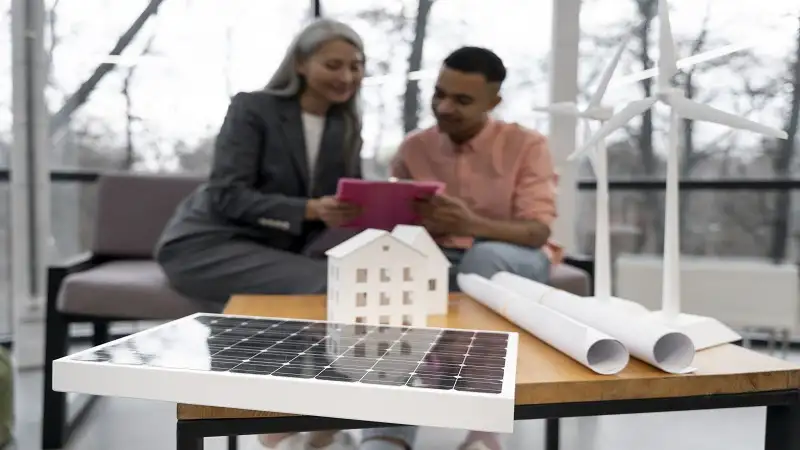
Energy-efficient homes are built to use less power through insulation, air sealing, high-performance windows, efficient appliances, and better control of heating and cooling. When the load is already low, solar panels can cover a larger share of annual consumption with fewer modules, but the sizing strategy must change. A system that is too large can export excess energy too frequently, which may not be well compensated if utility credits are limited. A system that is too small can still be useful, but it may miss opportunities to offset peak pricing or future load demand, such as from an electric vehicle. Low-load homes also tend to have smoother demand patterns, which can make solar feel more consistent day to day. The key is matching production to a realistic picture of how the household actually uses electricity across seasons, not how it might have used power in a less efficient building. When solar is sized and configured for a low-load home, it becomes a clean extension of the efficiency work already done, supporting lower bills while keeping the electrical system simple and predictable.
Why low-load homes need a different solar mindset
-
Reading your true load before choosing system size
A low-load home benefits from careful data collection before any panels go on the roof. Utility bills show monthly kilowatt-hour totals, but efficiency measures can shift loads in ways that numbers alone may not explain. For example, a heat pump might reduce heating costs but increase electricity use compared with gas, while a tighter envelope can lower cooling run time in summer. Many homeowners review a year of bills, then separate base load from seasonal HVAC swings. This helps estimate how much of the total demand solar should offset. It also helps identify whether loads are daytime or evening-heavy, which influences whether storage might matter later. Installers often ask about future changes, such as adding a heat pump water heater, an induction cooktop, or an EV charger, because these can increase demand beyond today’s low baseline. Some homeowners choose a system that covers current usage and leaves room for expansion. Others size closer to a long-term target and plan to add panels later. Many proposals from North Valley Solar Power include production estimates that align with low-load patterns, prioritizing stable annual coverage over chasing the highest possible panel count.
-
Roof space, orientation, and why fewer panels can still win
Low-load homes often require fewer panels, creating flexibility in array placement. Instead of covering every available roof plane, homeowners can prioritize the surfaces with the strongest sun exposure and the least shading. That can mean a smaller array on the best roof section rather than a larger variety spread across mixed orientations. Because the home uses less power, high-quality placement can deliver enough annual energy without requiring a complicated layout. A smaller system can also simplify wiring runs, reduce roof penetrations, and leave space for skylights, future additions, or roof maintenance access. Orientation matters too. South-facing arrays typically deliver strong midday production, while east- and west-facing arrays can spread generation into the morning or late afternoon. A low-load home with daytime occupancy might value midday output, while a home with evening-heavy use might prefer a broader production curve. Panel tilt plays a role in seasonal balance, especially in climates with notable winter demand. With a smaller system, each panel’s placement matters more, so shading analysis and clean design choices can make the system feel stronger than its size suggests.
-
Inverter choices and low-load operational details
When household demand is low, the selection of solar equipment affects how efficiently the system operates during small loads. Inverters have operating ranges and efficiency curves, and some handle partial production better than others. Microinverters or DC optimizers can improve performance on roofs with partial shading or multiple orientations, and they provide panel-level monitoring that helps low-load homeowners understand exactly where energy is coming from. String inverters can be simpler and cost-effective when the array is on one clean roof plane. The right choice depends on layout, shading, and future expansion plans. Low-load homes may also face export limitations or interconnection rules that cap how much power can be exported to the grid. In those cases, inverter settings and system sizing must be aligned to avoid frequent clipping or forced curtailment. Another detail is the household’s minimum daytime load. If the home is empty and very efficient, daytime consumption may be so low that most solar production exports to the grid. That is not a problem, but it changes the value calculation and can encourage the homeowner to shift certain loads into daylight hours.
A right-sized solar plan that stays flexible
Solar panels can be a strong match for low-load, energy-efficient homes when the system is sized to actual consumption, installed on the strongest roof surfaces, and paired with practical usage habits. Efficient homes often require fewer panels, which can reduce complexity while still delivering meaningful bill savings. The design should start with a clear load picture built from utility history and an honest look at seasonal patterns and plans. Inverter and layout choices matter because smaller arrays depend more on clean production and consistent performance. Storage can add resilience and help under certain rate structures, but many low-load homes can gain a lot simply by shifting flexible loads into daylight hours. The overall goal is not to maximize panel count, but to maximize value and stability over time. With thoughtful design, a modest system can cover a large share of the household’s electricity needs, preserve roof flexibility, and support future electrification without forcing an oversized setup today.