
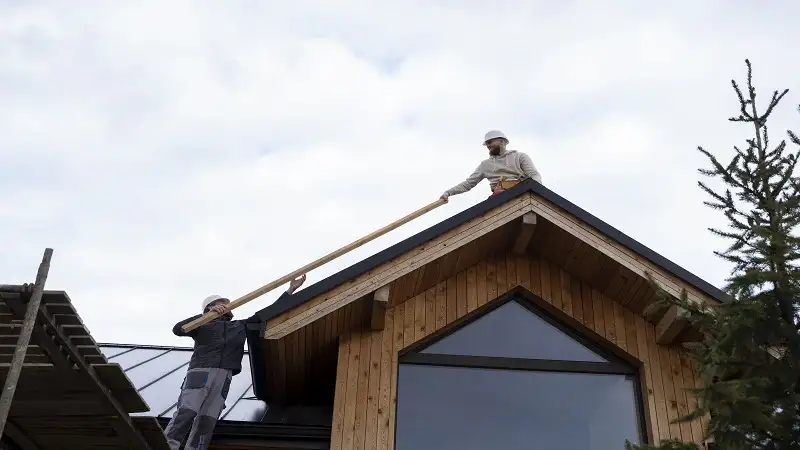
When homeowners think about improving their living spaces, attention often drifts first to interiors: fresh paint, new floors, kitchen or bathroom updates. But there’s an equally impactful and often underappreciated, aspect of home design that lies outside the front door: the siding. For many people in the area researching siding remodeling Sacramento, the conversation quickly shifts from curb appeal to practical comfort, because siding isn’t just an outer layer of a house. It’s a protective envelope that affects energy efficiency, moisture control, durability, and overall home value.
Unlike interior updates that are visible every day, siding works quietly in the background. It guards against weather, regulates insulation, and helps maintain indoor comfort without ever demanding attention, until it’s worn, damaged, or outdated.
This article breaks down why siding matters so much, how it affects daily life, and what homeowners should consider when planning siding upgrades that go beyond aesthetics to improve performance and long-term durability.
What Siding Actually Does (Beyond Looks)
At its core, siding protects the home’s structure from the elements, rain, wind, sun, temperature swings, pests, and more. But its role is multifaceted:
Moisture control: Quality siding is the first line of defense against water intrusion, which can cause rot, mold, and structural damage.
Thermal performance: Siding that’s properly installed with insulation helps keep indoor temperatures stable, reducing heating and cooling loads.
Air sealing: Tightly sealed exterior walls prevent drafts and improve comfort throughout the home.
Noise reduction: Certain siding systems help buffer outside noise, making the home environment quieter and more peaceful.
In short, siding contributes to the invisible systems that make a house livable, comfortable, and resilient.
Why Siding Age and Wear Matter
Homes endure constant environmental stress. Sunlight bleaches and dries materials over time. Heavy rain, fluctuating temperatures, and wind pressure all take their toll. Older siding, especially if it’s not well maintained, develops cracks, gaps, or warping that allow moisture and air infiltration.
These problems don’t always show up dramatically at first. A slight draft here, a bit of discoloration there, these are the early signs that something deeper may be amiss. If ignored, small issues can escalate into costly repairs, including:
- Rot behind walls
- Damaged insulation
- Mold growth
- Increased energy bills
Addressing siding age and wear before visible damage appears is one of the smartest investments a homeowner can make.
Materials Matter, Choosing the Right Siding for Your Home
Siding isn’t one-size-fits-all. Different materials have unique strengths and long-term performance characteristics. Selecting the right material depends on climate, aesthetic preferences, maintenance tolerance, and budget.
Here are common options:
- Vinyl Siding
- Low maintenance
- Resistant to rot
- Available in a wide range of colors and profiles
- Fiber Cement Siding
- Highly durable
- Fire- and moisture-resistant
- Replicates wood grain well without wood’s vulnerabilities
- Engineered Wood Siding
Choosing materials isn’t just about curb appeal, it’s about performance. The right siding should align with both design goals and practical long-term needs.
Installation Quality Changes Everything
Even the best materials can underperform if they’re not installed correctly. Gaps at seams, improper flashing, poor sealing around openings, and incorrect fastening can all undermine the protective function of siding.
Quality installation ensures that materials perform as intended, resisting moisture, sealing air leaks, and bonding securely to house wrap and insulation. It also ensures that:
- Trim, corners, and transitions are properly sealed
- Flashing around doors and windows prevents water intrusion
- Panels are aligned and secured to minimize movement and gaps
- A well-installed siding system works as a single protective layer.not just a patchwork of boards.
Curb Appeal and Emotional Impact
While performance is core, aesthetics matter too. Siding plays a big role in the first impression a home makes. Whether you’re planning to stay in your home for years or considering future sale value, the exterior sets expectations.
A facade that feels cohesive with siding, trim, and color choices in harmony enhances neighborhood appeal and personal satisfaction. Even small design shifts, like banding or accent siding near entries, can make a home feel more intentional without overwhelming the overall look.
But exterior design should complement performance, not replace it. Beautiful siding that doesn’t protect the home is only decorative, not functional.
Energy Efficiency Begins at the Exterior
Energy bills are one of the clearest indicators of how well a home performs and siding influences that by improving insulation and reducing air leakage. When homes are well-sealed from the outside, HVAC systems don’t have to work as hard to maintain comfortable indoor temperatures.
Upgraded siding often pairs with:
- Continuous insulation systems
- High-performance weather barriers
- Tight sealing around windows and doors
These elements create a more stable interior climate, reducing drafts, hot spots, and costly temperature swings.
Moisture Management — The Silent Defender
Water intrusion is one of the biggest threats to home integrity. Over time, repeated moisture exposure can compromise wood framing, insulation, drywall, and finishes. Siding is the home’s first line of defense against this.
Effective moisture management involves:
- Water-resistant barriers behind siding
- Proper flashing around penetrations
- Sealing at transitions (corners, windows, entries)
- Siding profiles that shed water effectively
When these elements work together, moisture is directed away from the house rather than into it.
Timing: When to Repair vs. When to Replace
Not every siding issue needs a full replacement right away. Small repairs can extend performance if the underlying system is still sound. Signs that investigation is warranted include:
- Discoloration
- Visible cracks or warping
- Paint peeling or blistering
- Soft or spongy spots under siding
- Visible gaps near trim or openings
On the other hand, widespread wear, multiple damaged panels, or recurring water intrusion often signal that a full siding replacement is a smarter investment.
Maintenance: A Little Upkeep Goes a Long Way
Even durable siding benefits from periodic maintenance. Regular tasks include:
- Cleaning to remove dirt, mildew, and pollen
- Inspecting caulking around trim and openings
- Checking for discoloration or signs of pest activity
- Touching up areas where sealants have aged
Routine maintenance preserves aesthetics and extends the effective life of the siding.
The Emotional Comfort of a Strong Exterior
A well-protected home doesn’t just stay dry, it feels more reassuring. Quality siding contributes to peace of mind, knowing that the home’s envelope is guarding interiors from the elements, noise, and unpredictable weather. This sense of security is subtle but powerful. Homes that feel protected are easier to relax in, sleep in, and enjoy every day. Siding is often viewed as a surface detail, but its role is foundational. It protects the home’s structure, supports energy performance, enhances comfort, and creates a visual identity that resonates with both residents and visitors. Thoughtful siding decisions, from materials to installation to maintenance, keep a home comfortable, resilient, and ready for whatever comes next. When homeowners think beyond surface aesthetics and focus on performance, as those exploring siding remodeling Sacramento often do, they discover that siding is more than a finish. It’s a living part of the home’s protective system.